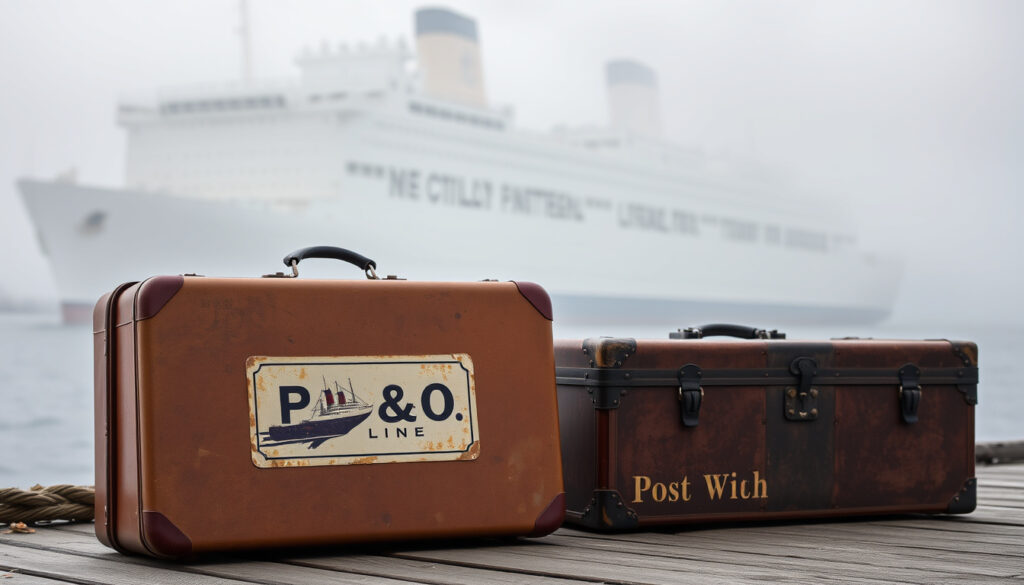
10 Pound Poms: History, True Story & Season 3 Updates
Few immigration schemes have left a mark quite like the Ten Pound Poms program: between 1945 and 1982, more than a million people from the British Isles moved to Australia for just £10 each, reshaping both nations. This article traces the real history behind the BBC drama and what happened to the migrants who took the leap — and those who turned back.
Total migrants: ~1,000,000 ·
Cost per adult: £10 ·
Required stay: 2 years ·
Return rate: ~25% ·
Scheme period: 1945–1982
Quick snapshot
- British migrants who moved to Australia under the Assisted Passage Scheme (Wikipedia)
- Cost: £10 per adult (children free) (Wikipedia) (Wikipedia)
- Active from 1945 to 1982 (Countryfile)
- Launched by Australian government to boost population (Wikipedia) (Sky HISTORY)
- Part of ‘Populate or Perish’ policy (Sky HISTORY)
- Over 1 million migrants arrived (Wikipedia) (Sky HISTORY)
- BBC drama first aired in 2023 (BBC iPlayer)
- Stars Michelle Keegan, Faye Marsay, Warren Brown (IMDb)
- Two seasons so far (BBC iPlayer) (BBC iPlayer)
- Required to stay 2 years or repay fare (Sky HISTORY) (National Museum of Australia)
- About 25% returned to UK (National Museum of Australia)
- Scheme ended in 1982 (Countryfile) (National Museum of Australia)
Eight key data points define the scale and mechanics of the scheme at a glance.
| Label | Value |
|---|---|
| Name of Scheme | Assisted Passage Scheme |
| Start Year | 1945 |
| End Year | 1982 |
| Total Migrants | ~1 million |
| Cost per Adult | £10 |
| Children Cost | Free |
| Minimum Stay | 2 years |
| Return Rate | ~25% |
Why did Australia do 10 pound poms?
What were Australia’s post-war immigration goals?
- Australia needed population growth for defense and economy after WWII (Wikipedia)
- The scheme was part of the ‘Populate or Perish’ policy (Sky HISTORY)
- Passage cost subsidized to £10 to attract British migrants (Wikipedia)
Australia at the time had only 10 million people. Defense planners feared the vast continent was underpopulated, especially after the Pacific war. The slogan “populate or perish” captured that urgency.
Why did Britons choose to emigrate?
- Post-war austerity in Britain made a fresh start appealing (Countryfile)
- Australia promised jobs, housing, and sunshine (Sky HISTORY)
- Government propaganda painted Australia as a land of opportunity (National Museum of Australia)
What this means: The scheme wasn’t just a migration program — it was a deliberate nation-building project on both sides of the equator, fueled by fear and hope in equal measure.
The two-year commitment meant many migrants arrived with a mix of excitement and anxiety. Researching family history? Check for passenger lists and hostel records from the National Archives of Australia.
How long did 10 pound poms have to stay in Australia?
What was the two-year residency requirement?
- Migrants required to stay two years or repay the full fare (Sky HISTORY)
- The fare was only £10 upfront — but the full economy fare could be hundreds of pounds (Wikipedia)
What happened if they left early?
- Many left before the two years, often unable to adjust (Countryfile)
- Some returned to UK after obligation (National Museum of Australia)
The trade-off: The two-year lock-in was the government’s way of ensuring a return on investment. For the migrants, it was both a safety net and a trap.
Did all Ten Pound Poms stay permanently?
What percentage returned to the UK?
- About 25% returned, meaning three-quarters stayed (National Museum of Australia)
- Return rates varied by decade and economic conditions (Countryfile)
Why did some stay?
- Many established new lives, found jobs, and married locally (Wikipedia)
- The climate and lifestyle appealed to families (Sky HISTORY)
- Family chain migration reinforced settlement (National Museum of Australia)
The pattern: The scheme didn’t just move people — it created new Australian families, and the 75% who stayed became the ancestors of thousands of Australians today.
Is BBC’s Ten Pound Poms based on a true story?
What aspects of the series are historically accurate?
- The series is inspired by real experiences of post-war migrants (BBC iPlayer)
- Historical details like the voyage, hostel camps, and work assignments are accurate (Countryfile)
- The £10 fee and two-year requirement are correctly depicted (Wikipedia)
What creative liberties were taken?
- Characters are fictional composites, not specific real people (BBC iPlayer)
- Dramatic conflicts are heightened for television (Sky HISTORY)
Why this matters: The BBC team researched extensively and consulted historians, so the backdrop is trustworthy even if specific storylines are invented.
Will there be a season 3 of Ten Pound Poms?
Has the series been renewed?
- Season 2 aired in 2025 (BBC iPlayer)
- As of this writing, no official renewal for season 3 (Radio Times)
What is the latest update from BBC?
- No announcement of cancellation or renewal (Radio Times)
- Given viewership and critical reception, renewal is likely but unconfirmed (Rotten Tomatoes)
The implication: Fans may need to wait until late 2025 for a decision.
Where can I watch Ten Pound Poms?
Is Ten Pound Poms on Netflix?
- Not currently on Netflix in most regions (Netflix)
Which streaming services have it?
- Available on BBC iPlayer in the UK (BBC iPlayer)
- Available on Hulu in the US (Hulu)
- Check local streaming services in other countries (JustWatch)
The catch: Availability shifts; the only guaranteed way is BBC iPlayer with a UK subscription.
If you’re in the UK, the entire series is on iPlayer. In the US, Hulu carries both seasons. For other regions, services like Stan in Australia and TVNZ in New Zealand have also carried it.
Timeline of the Ten Pound Poms scheme
Timeline signal
- 1945: Assisted Passage Scheme begins (Wikipedia)
- 1950s: Peak migration period (Countryfile)
- 1969: More than 80,000 migrants in a single year (Wikipedia)
- 1973: Cost raised to £75 (Wikipedia)
- 1982: Scheme officially ends (Countryfile)
- 2023: BBC premieres Ten Pound Poms TV series (BBC iPlayer)
- 2025: Season 2 airs (BBC iPlayer)
The timeline shows how the scheme evolved from a post-war urgency into a lasting cultural memory.
What’s confirmed and what’s still unclear
Confirmed facts
- Scheme operated from 1945 to 1982 (Wikipedia)
- Cost was £10 per adult (Wikipedia)
- Two-year stay required (Sky HISTORY)
- About 1 million migrants participated (Wikipedia)
What’s unclear
- Exact percentage of returnees (estimates vary from 20% to 30%) (National Museum of Australia)
- Specific renewal status of season 3 (Radio Times)
- Number of migrants who paid to return early (Sky HISTORY)
- Number of migrants who returned immediately after the two-year obligation (derived from return rate estimates)
Understanding the confirmed and unclear aspects helps separate historical fact from myth.
“The slogan ‘populate or perish’ was used to justify the scheme — it captured both the fear of invasion and the hope of a prosperous future.”
— Sky HISTORY article on the Ten Pound Poms (source)
“More than a million people from the British Isles came to Australia under the scheme between 1945 and 1972, making it one of the largest peacetime migrations in British history.”
— Wikipedia (source)
The scheme reshaped both Australia’s demographics and the lives of the migrants. For the quarter who returned, the experience was often bittersweet — a dream that didn’t match reality. For the three-quarters who stayed, it was the foundation of a new identity.
Related reading: Federal Election Australia – 2025 Results · Real Estate QLD: Houses for Sale & Rent in Queensland
Frequently asked questions
What was the 10 Pound Pom scheme?
The Assisted Passage Scheme, commonly known as the Ten Pound Pom scheme, was a subsidized migration program run by the Australian government from 1945 to 1982, offering British migrants passage to Australia for £10 per adult.
How much did it cost to migrate as a Ten Pound Pom?
Adults paid £10; children travelled free. In 1973 the cost rose to £75. The £10 in 1945 is roughly equivalent to £545 in 2023.
What were the requirements for the scheme?
Migrants had to be British subjects (or from the Republic of Ireland) and commit to staying in Australia for at least two years. They also had to meet health and character criteria.
How many people migrated under the scheme?
More than 1 million migrants from the British Isles took part, with the peak year being 1969 when over 80,000 arrived.
Where did the Ten Pound Poms settle in Australia?
Many settled in cities like Sydney, Melbourne, and Brisbane, but a significant number went to rural areas and mining towns where labour was needed.
What happened after the two-year stay requirement?
After two years, migrants were free to stay or leave without penalty. About one-quarter chose to return to the UK.
Why did many Ten Pound Poms return to the UK?
Homesickness, difficulty adjusting to the climate, and disappointment with living conditions were common reasons. Some found that the promised jobs were not as advertised.
These answers address the most common curiosities about the Ten Pound Poms scheme.
More related posts
 Uni Grade Calculator: Calculate UK Degree Classification
 Malcolm Roberts: Politician and Singer – Two Distinct Figures
 What Is DNS over HTTPS (DoH)? How It Works and Risks
 Diane Farr: What She’s Doing Now, Voice Loss & Net Worth
 Sandra Sully: What Happened to the Australian News Presenter
The Digitisation of the Australian Wagering Industry: Market Trends, Esports, and Financial Technologies
Sandra Sully: What Happened to the Australian News Presenter
The Digitisation of the Australian Wagering Industry: Market Trends, Esports, and Financial Technologies
 Michael Franzese: From Mafia Caporegime to YouTuber and Author
 Tik Tok Coins – How to Buy, Prices, Uses and Safety