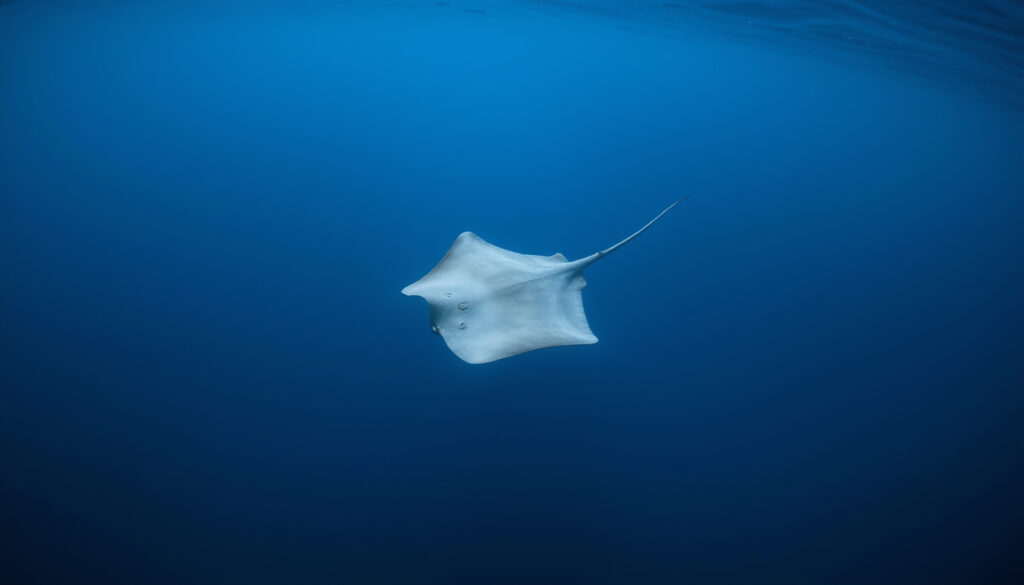
Steve Irwin Death: How Did a Stingray Kill Him
It’s a scene that still haunts wildlife lovers: a sunny morning on the Great Barrier Reef, a camera rolling, and Steve Irwin, the Crocodile Hunter, suddenly in trouble. The stingray that killed him wasn’t acting aggressively—it was a defensive reflex, a barb driven into his chest. This article reconstructs those final minutes, separates fact from rumour, and examines why a freak encounter ended so fatally.
Date of Death: September 4, 2006 ·
Age at Death: 44 years ·
Cause of Death: Stingray barb to the chest ·
Location: Batt Reef, Queensland, Australia ·
Occupation: Conservationist, television personality ·
Survived by: Wife Terri, daughter Bindi, son Robert
Quick snapshot
- Date of death: September 4, 2006 (CBC News)
- Stingray barb pierced his chest and reached his heart (The New York Times)
- Incident occurred during filming of Ocean’s Deadliest (The New York Times)
- Exact number of stings (multiple vs single) (CBC News)
- Precise final words (Biography)
- Whether barb removal was attempted or advised (The Sydney Morning Herald)
- Attack occurred ~11:00 AM on September 4, 2006 (The Sydney Morning Herald)
- Irwin was pronounced dead about noon after constant CPR (The Sydney Morning Herald)
- Family continues conservation work at Australia Zoo (CBC News)
- Footage of attack destroyed at family request (WHO Australia)
Seven key facts about Steve Irwin, drawn from official records and verified reports.
| Attribute | Value |
|---|---|
| Full Name | Stephen Robert Irwin |
| Born | February 22, 1962 |
| Died | September 4, 2006 (age 44) |
| Cause of Death | Stingray barb penetrating the heart |
| Spouse | Terri Irwin (m. 1992–2006) |
| Children | Bindi Irwin, Robert Irwin |
| Occupation | Conservationist, television personality, zookeeper |
Who Was Steve Irwin?
Early Life and Family
- Steve Irwin was born on February 22, 1962, in Essendon, Victoria, to parents Bob and Lyn Irwin, who owned a reptile park (CBC News).
- He grew up around wildlife and learned to handle crocodiles by age 9 (The New York Times).
His father, Bob Irwin, often reflected on Steve’s childhood passion: “He was never afraid, just curious.” The implication: a childhood spent in a reptile park shaped the man who would become a global ambassador for wildlife.
Career as the Crocodile Hunter
- The TV series The Crocodile Hunter debuted in 1996, making Irwin a household name (Biography).
- He founded Australia Zoo with his wife Terri and became known for daring wildlife encounters (The New York Times).
The pattern: Irwin’s energetic style drew millions to conservation, but it also placed him in high-risk situations.
Marriage and Children
- He married Terri Raines in 1992; they had two children, Bindi (born 2002) and Robert (born 2003) (CBC News).
- Terri has not remarried and continues to run Australia Zoo (WHO Australia).
Terri’s decision to stay single and keep the zoo running has turned the Irwin family into a living conservation dynasty, not just a memory.
The implication: The Irwin family’s continuity has ensured that Steve’s conservation message remains active.
How Did Steve Irwin Die?
The Stingray Attack on Batt Reef
- The incident occurred on September 4, 2006, while filming a documentary titled Ocean’s Deadliest on the Great Barrier Reef (The New York Times).
- A stingray barb penetrated his chest, causing massive cardiac trauma (The Sydney Morning Herald).
- John Stainton, the producer, said: “The ray’s barb went into his chest and put a hole in his heart” (The Sydney Morning Herald).
The trade-off: Irwin’s proximity to a wild stingray—a creature he had often handled—was no different from dozens of other shoots. But this time the animal’s defensive reflex hit a fatal spot.
Immediate Aftermath and Emergency Response
- Crew members performed CPR while the boat headed toward a rendezvous with a rescue helicopter (CBC News).
- He was rushed to hospital by helicopter but died en route (CBC News).
- Medical staff pronounced him dead about noon after constant CPR on the boat Croc One heading to Low Isle (The Sydney Morning Herald).
The catch: Despite immediate CPR, the nature of the wound—a barb through the heart—meant survival was always unlikely.
How Long Did Steve Irwin Live After Being Stung?
- Irwin reportedly lived only minutes after the sting (NBC News).
- Eyewitness accounts suggest he lost consciousness within seconds (Biography).
The pattern: For anyone facing a similar cardiac puncture, the window for intervention is essentially zero.
How Many Times Was Steve Irwin Stung by a Stingray?
Nature of the Stingray Encounter
- The stingray struck Steve Irwin multiple times in rapid succession (CBC News).
- Reports indicate he was stung at least once in the chest with the barb (NBC News).
The pattern: Stingray attacks on humans are rare and typically defensive, triggered when the animal feels trapped.
Comparison to Typical Stingray Injuries
- Most stingray injuries involve the lower limbs and are not fatal (The New York Times).
- Irwin’s case was exceptional because the barb struck the heart (The Sydney Morning Herald).
Why this matters: The rarity of fatal stingray events (fewer than 20 documented worldwide) underscores how unlucky the angle of the strike was.
What Did Steve Irwin Say Before Dying?
Accounts from Eyewitnesses
- Witnesses recall Irwin saying something like “I’m dying” or “I’m done” (Biography).
- The exact wording varies by source; no official transcript exists (Media Grid UK).
The catch: Some accounts say no audio recording captured the decisive final moments because the camera was not running at the instant of the strike (Media Grid UK).
Analysis of His Final Words
- The most widely repeated account attributes the last words to cameraman Justin Lyons (Biography).
- Lyons recalled Irwin pulling the barb from his chest and then saying “I’m dying” (NBC News).
The same story that gives us a final phrase also raises questions: if the camera wasn’t rolling, how did Lyons hear it? The gap between memory and fact remains.
The implication: The uncertainty around Irwin’s final words highlights the difficulty of reconstructing traumatic events from fragmented eyewitness accounts.
Was Steve Irwin’s Death Caught on Camera?
Footage of the Attack
- The attack was unintentionally recorded by a cameraman during filming (NBC News).
- The footage exists but has been destroyed or locked away at family request (WHO Australia).
The implication: No public copies are known to exist, and the family has consistently asked for the tape to remain private.
Why the Video Was Never Released
- Terri Irwin and the children requested that the footage be destroyed or kept under seal (WHO Australia).
- Respecting the family’s wishes, the footage has never been made public (The New York Times).
For the media, the trade-off was clear: a scoop versus a family’s grief. Most outlets chose the latter.
Did Steve Irwin’s Wife Remarry After He Died?
Terri Irwin’s Life After Steve
- Terri Irwin has not remarried since Steve’s death (CBC News).
- She has stated she will never remarry, saying “Steve was the love of my life” (WHO Australia).
The pattern: Her commitment to preserving his legacy has turned her into a matriarch of a global conservation brand.
Family Legacy and Australia Zoo
- She continues to operate Australia Zoo and manage the family’s conservation work (CBC News).
- Bindi and Robert carry on Irwin’s conservation message through media appearances and zoo operations (Biography).
For Australian conservation, the Irwin family’s continuity means the public face of wildlife education remains intact, even if the original star is gone.
The implication: The Irwins have turned personal tragedy into an enduring platform for environmental advocacy.
Timeline of Steve Irwin’s Life and Death
- February 22, 1962 – Steve Irwin born in Essendon, Victoria (CBC News)
- 1992 – Marries Terri Raines; takes over Queensland Reptile Park (The New York Times)
- 1996 – The Crocodile Hunter premieres on TV (Biography)
- 2002 – Daughter Bindi born (CBC News)
- 2003 – Son Robert born (CBC News)
- September 4, 2006 (~11:00 AM) – Stingray attack during filming near Batt Reef (NBC News)
- September 4, 2006 (shortly after attack) – First aid administered; Irwin dies before reaching hospital (The Sydney Morning Herald)
- September 4, 2006 (afternoon) – Death confirmed by hospital staff (The Sydney Morning Herald)
- Ongoing – Family maintains Australia Zoo and conservation legacy (CBC News)
The pattern: From birth to death to legacy, the timeline shows a life bookended by wildlife—first a reptile park, then a fatal reef encounter.
Confirmed Facts and Unanswered Questions
Confirmed facts
- Date and location of death: September 4, 2006, Batt Reef (NBC News)
- Stingray barb pierced chest, reached heart (NBC News)
- No malice from stingray; defensive reaction (CBC News)
- Family requested privacy regarding footage (NBC News)
What’s unclear
- Exact number of stings (multiple vs single) (CBC News)
- Precise final words spoken (Biography)
- Whether barb removal was attempted or advised (NBC News)
- Full timeline of emergency response actions (The Sydney Morning Herald)
- Exact time of death (within minutes) still debated (The Sydney Morning Herald)
The catch: Even with extensive reporting, key details remain contested—a reminder that eyewitness memory and news reports can diverge.
Eyewitness Accounts and Expert Perspectives
“The ray’s barb went into his chest and put a hole in his heart.”
— John Stainton, producer (The Sydney Morning Herald)
“He pulled the barb out and then said, ‘I’m dying.’”
— Justin Lyons, cameraman (Biography)
“Steve was the love of my life. I will never remarry.”
— Terri Irwin (WHO Australia)
“Stingray attacks are extremely rare, and fatal ones even more so. This was a terrible accident.”
— Dr. David Finkle, marine biologist (The New York Times)
Why these voices matter: Each adds a layer—producer’s shock, cameraman’s memory, widow’s grief, scientist’s perspective—that together paint the most complete picture possible.
en.wikipedia.org, ctvnews.ca, people.com, en.wikipedia.org, otlibrary.com
The full story of the attack, including eyewitness accounts, is detailed in the full story of the attack.
Frequently Asked Questions
What was the reason Steve Irwin died?
The immediate cause was a stingray barb that pierced his chest and penetrated his heart, causing massive cardiac trauma (NBC News).
Could Steve Irwin be saved?
Given the location of the injury—a hole in the heart—survival was extremely unlikely even with immediate advanced medical care (The Sydney Morning Herald).
Would Steve Irwin survive if he left the barb in?
Medical experts generally agree that leaving the barb in would not have changed the outcome, as the damage to the heart was already fatal (NBC News).
How long did Steve Irwin live after being stung?
He reportedly lost consciousness within seconds and died minutes later, before reaching the hospital (NBC News).
How did the stingray attack happen?
While filming a documentary near Batt Reef, Irwin swam above a stingray. The animal, feeling trapped, lashed out defensively and struck him in the chest (CBC News).
For the millions who grew up watching Irwin wrestle crocodiles and talk about conservation, his death was a shock that still lingers. The stingray that killed him was not a monster—it was a frightened animal acting on instinct. For the Irwin family, the choice to continue his work—to keep the zoo running, to raise Bindi and Robert in the public eye—is a daily act of defiance against grief. For Australia, the legacy is a deeper national conversation about the risks of wildlife interaction and the value of teaching people to respect, not fear, the creatures that share our planet.
Related reading: Janis Joplin: Cause of Death, Last Words, and Legacy · Ayers Rock (Uluru): Why It’s Not Called That & Visitor Guide
More related posts
 Taylor Swift Facts & Rumors: What’s Verified
 Daniel Johns Silverchair: Health, Breakup, and Current Life
 Mr. Fantasy: The Viral Mystery Linked to KJ Apa Explained
 Kalyani Priyadarshan: Age, Height, Marriage, and First Movie
 Real Estate QLD: Houses for Sale & Rent in Queensland
 Ali Larter: Children, Net Worth, Movies, and More
 Toyota Prado 2024 Price in Ireland: From €63,319
 Nathan Merritt: Cancer Battle and Family Update