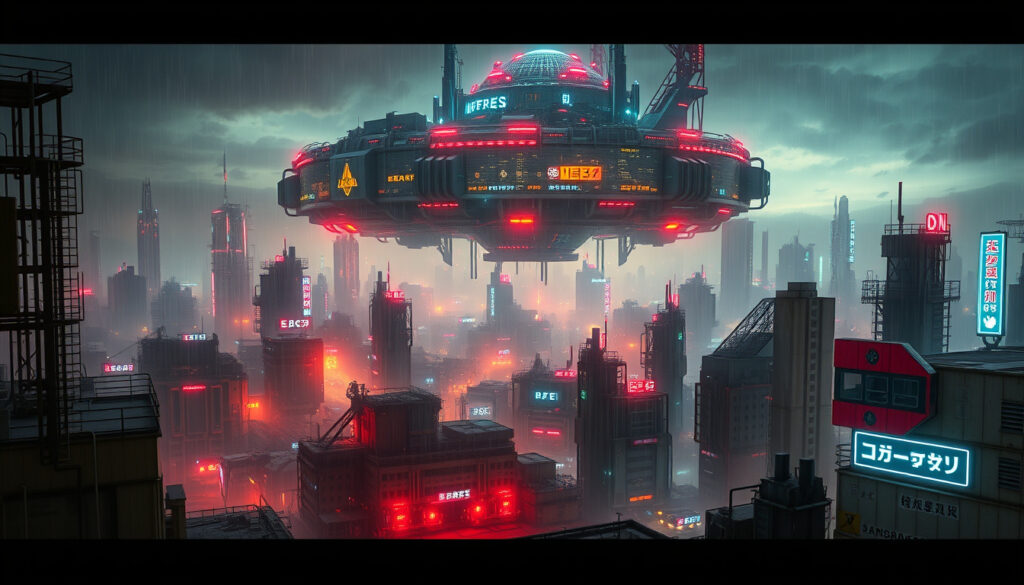
Alita Battle Angel – Plot Cast Sequel Streaming Guide
Alita: Battle Angel brings Yukito Kishiro’s iconic manga to life in a visually stunning cyberpunk adventure. Released in 2019, the film follows a cyborg awakens with no memory in a dystopian future, discovering extraordinary abilities and a destiny tied to humanity’s past.
Directed by Robert Rodriguez and produced by James Cameron, the production blended cutting-edge motion-capture technology with practical effects to create one of cinema’s most lifelike digital characters. The film debuted theatrically on February 14, 2019, introducing audiences to a richly imagined world spanning from the depths of Iron City to the floating sky metropolis of Zalem.
This guide covers everything you need to know about Alita: Battle Angel, from its plot and cast to the ongoing conversation about a potential sequel and where to watch it today.
What Is Alita: Battle Angel About?
Set in 2563, approximately 300 years after Earth was devastated in a war against the United Republic of Mars, Alita: Battle Angel presents a future where humanity has been divided between those living in poverty on the planet’s surface and the elite inhabitants of the sky city Zalem. The narrative centers on Alita, a cyborg discovered as a disembodied head in the Iron City scrapyard by Dr. Dyson Ido.
Ido rebuilds her with a new cyborg body and names her after his deceased daughter, unaware of the powerful technology housed within her frame. As Alita navigates the dangerous streets of Iron City, she befriends Hugo, a young man dreaming of escaping to the wealthy upper world. She soon discovers she possesses Panzer-Kunst, a lost martial art designed for machine bodies, and becomes a Hunter-Warrior bounty hunter to uncover her forgotten past.
February 14, 2019
Robert Rodriguez
Rosa Salazar as Alita
Gunnm manga by Yukito Kishiro
Key Insights
- James Cameron produced the film while Robert Rodriguez directed it, combining two distinct filmmaking visions
- The production budget ranged between $170-200 million, with the film earning approximately $405 million worldwide
- Performance capture technology was used to bring Alita’s face to life, creating highly realistic facial expressions
- The #AlitaArmy fan campaign has advocated for a sequel, demonstrating strong audience attachment to the character
- Rotten Tomatoes recorded a 60% critics score compared to a 91% audience score, indicating stronger reception among general viewers
- The film’s runtime runs for approximately 122 minutes
- The story is set in the same universe as Yukito Kishiro’s manga series and subsequent Battle Angel Alita: Last Order continuation
Quick Facts
| Category | Details |
|---|---|
| Runtime | 122 minutes |
| Budget | $170-200 million |
| Box Office | $405 million worldwide |
| RT Critics Score | 60% |
| RT Audience Score | 91% |
| Genre | Sci-fi action |
| Streaming | Available on Disney+ and Hulu (regionally) |
| Sequel Status | In development talks |
Who Stars in Alita: Battle Angel?
Rosa Salazar takes on the titular role of Alita, delivering a performance that bridges human emotion and digital character work through extensive motion capture. Her portrayal anchors the emotional core of the film, making Alita’s journey of self-discovery feel genuine despite the CGI-heavy character design.
Main Cast
Christoph Waltz portrays Dr. Dyson Ido, the cyberphysician who discovers and rebuilds Alita, bringing his signature intensity to the paternal figure role. Keean Johnson plays Hugo, Alita’s love interest whose dreams of reaching Zalem drive much of the first act’s narrative momentum.
Mahershala Ali takes on the role of Vector, the Motorball tournament owner and de facto ruler of Iron City, while Jennifer Connelly plays Dr. Chiren, whose complicated allegiances add layers to the film’s political intrigue. Full cast details are available on IMDb.
Creative Team
Robert Rodriguez directed the production while James Cameron served as producer and co-writer alongside Laeta Kalogridis. The film utilized motion-capture and CGI animation extensively, with Alita’s face modeled on Salazar and rendered through advanced digital techniques to achieve unprecedented realism.
Jon Landau also served as producer, contributing to a production team experienced in delivering ambitious visual spectacles. Rotten Tomatoes reviews the film with critics noting the technical achievements alongside the storytelling.
The production team employed performance capture technology to record Rosa Salazar’s facial expressions, which were then mapped onto Alita’s CGI body. This technique allowed the character to maintain emotional authenticity throughout the film.
Is Alita: Battle Angel Based on a Manga?
Alita: Battle Angel is based on Yukito Kishiro’s manga series, originally titled GUNNM (Gun Dream) in Japan. The manga ran from 1990 to 1995 in Weekly Shōnen Jump and was later compiled into nine volumes. Its cyberpunk themes and detailed world-building earned it a dedicated following before any film adaptation materialized.
Manga Differences
Several notable differences exist between the source material and the film. In the manga, Alita is originally named Gally and is discovered by cyberphysician Daisuke Ido rather than Dyson Ido. The manga’s version of Alita also exhibits more lethal combat instincts from the outset.
The scope of the manga extends far beyond the film’s narrative. The manga series continues in Battle Angel Alita: Last Order, which explores deeper storylines involving Tiphares (the manga’s version of the floating city) and Desty Nova as both antagonist and eventual ally. More details about manga differences are available on the fan wiki.
Narrative Adaptation Choices
The film focuses primarily on Alita’s initial awakening, her integration into Iron City society, and her conflict with Vector and Nova. This scope allows for a self-contained story while leaving openings for potential sequels that could explore the deeper mythology established in the manga.
The manga names the protagonist “Gally” while the film uses “Alita.” Similarly, the doctor’s name shifts from “Daisuke Ido” to “Dyson Ido” in the adaptation.
Is There a Sequel to Alita: Battle Angel?
As of April 2026, no official sequel release date exists for Alita: Battle Angel. Development talks have reportedly occurred between the production team and studios, with James Cameron previously indicating interest in continuing the story. However, no greenlight has been announced.
The passionate fan community, sometimes referred to as the #AlitaArmy, has actively advocated for a sequel through social media campaigns. These efforts have maintained visibility for the property, though they have not yet resulted in an announced production schedule.
What We Know About Sequel Plans
The original film concludes with Nova speaking directly to Alita through Vector, establishing that the antagonist has been aware of and manipulating events throughout the story. This ending was deliberately constructed to support potential continuation while serving as a complete narrative for those who only see the first installment.
Should a sequel proceed, the story could draw from the extensive manga material, which introduces additional characters, expanded political conflicts between Earth and Mars, and Alita’s ongoing quest to understand her Berserker origins as elite shock troops of the United Republic of Mars.
Where Can I Watch Alita: Battle Angel?
Alita: Battle Angel has become available on streaming platforms following its theatrical run. The film can currently be found on Disney+ and Hulu, though availability varies by region. Wikipedia maintains updated information about streaming availability.
Checking Current Streaming Options
The most reliable method for finding Alita: Battle Angel is checking your local streaming platform directly. Disney+ typically includes the film in its catalog, while Hulu may offer it as part of a subscription package depending on your location.
For viewers without access to these platforms, digital rental and purchase options are available through major retailers. Physical media copies remain in circulation for those who prefer disc-based viewing.
Streaming rights rotate by region and over time. Checking the specific platform you subscribe to remains the most accurate way to confirm current availability in your area.
Production Timeline
The development of Alita: Battle Angel spans nearly two decades, reflecting the ambitious scope of the project and the technological challenges involved in bringing Kishiro’s vision to screen.
- 2003: James Cameron acquires rights to the manga adaptation
- 2011-2017: Script development faces delays while Cameron prioritizes Avatar sequels
- 2016: Robert Rodriguez attached as director, replacing Cameron in that role
- 2018: Principal photography completes
- February 14, 2019: Theatrical release in the United States
- 2020-present: Fan campaigns advocate for sequel development
The extended development period allowed technological advances in motion capture and CGI rendering that would not have been possible when Cameron first acquired the rights. Rodriguez’s involvement shifted the project from Cameron’s directorial vision to a hybrid approach that combined Cameron’s producing influence with Rodriguez’s action filmmaking style.
Known Facts and Uncertainties
| Established Information | Uncertain or Unverified |
|---|---|
| Released in 2019 by 20th Century Fox | Sequel greenlight status (talks ongoing but no announcement) |
| Rosa Salazar plays Alita via motion capture | Exact sequel title when announced |
| Profitable worldwide gross of approximately $405 million | Current streaming availability by region |
| Based on Yukito Kishiro’s Gunnm manga | Specific plot details for potential sequel |
| Robert Rodriguez directed, James Cameron produced | Return of specific cast members in sequel |
Cultural Context and Impact
Alita: Battle Angel occupies a distinctive position within the cyberpunk genre, building upon themes established by works like Blade Runner while introducing its own mythology centered around cybernetic enhancement and class division between surface dwellers and sky city elites.
The film’s technological achievements opened conversations about digital character creation in live-action cinema. Alita’s face, rendered through performance capture, demonstrated that CGI characters could convey authentic human emotion without appearing uncanny or artificial.
The gap between critical and audience reception (60% versus 91% on Rotten Tomatoes) reflects a broader pattern in visually ambitious genre films, where technical innovation sometimes outweighs narrative concerns in critical assessment while delivering the spectacle audiences seek.
Sources and References
This overview draws from publicly available information including production records, official interviews, and established film databases. Key sources include Rotten Tomatoes for reception metrics, and fan-maintained resources documenting manga continuity.
The story represents an epic adventure of hope and empowerment, according to producers James Cameron and Jon Landau, designed to introduce audiences to a fully realized world with expansion potential.
Production descriptions, geektherapy.org review
Summary
Alita: Battle Angel delivers a visually impressive cyberpunk experience grounded in Yukito Kishiro’s manga source material. The film succeeded commercially and creatively in establishing its character and world, even if critical reception proved mixed. Fans continue to advocate for continuation through the #AlitaArmy community, while streaming availability makes the film accessible to new audiences. For those interested in similar cinematic experiences exploring technology and humanity, Angels and Demons offers another genre exploration worth considering.
Frequently Asked Questions
What is the ending of Alita: Battle Angel?
Alita defeats Vector by fatally impaling him after discovering he has been manipulating events throughout Iron City. Nova then speaks directly to Alita through Vector’s dying body, revealing he has orchestrated threats against her, setting up potential future conflicts.
What does Rotten Tomatoes say about Alita: Battle Angel?
Rotten Tomatoes recorded a 60% critics score and a 91% audience score, indicating stronger appeal among general viewers than among professional critics.
How much did Alita: Battle Angel make at the box office?
The film grossed approximately $405 million worldwide against a production budget of $170-200 million, making it a profitable theatrical release.
What are the main differences between the manga and the film?
Key differences include Alita’s name (Gally in manga, Alita in film), the doctor’s name (Daisuke Ido versus Dyson Ido), and the film’s condensed scope compared to the manga’s expanded storylines and continuation in Battle Angel Alita: Last Order.
Who directed and produced Alita: Battle Angel?
Robert Rodriguez directed the film while James Cameron produced and co-wrote it alongside Laeta Kalogridis. Jon Landau also served as producer.
Is Alita: Battle Angel available on Netflix?
Streaming availability varies by region. The film is confirmed on Disney+ and Hulu in some markets, but Netflix availability has not been consistently verified across all regions.
What is the #AlitaArmy campaign?
The #AlitaArmy refers to a fan community that has advocated for a sequel through social media campaigns, demonstrating sustained audience interest in continuing Alita’s story.
More related posts
 Charlie & Lola: Autism, Cancellation & Fan Theories
 Yung Filly: Beta Squad Exit, Chunkz Friendship, Rape Charges
 Origin Energy Login: How to Sign In to My Account & App
 Full Length Mirror – Best 2025 Picks Sizes Tips
 Is It Going to Rain Today – Hourly Chances and Accuracy Guide
 Maison de Sabré – From Dentistry to $50M Brand
 Ninja Creami Deluxe – Features Recipes Vs Original
 HSTikkyTokky: Crash, Extradition, Sentence & Legal Case